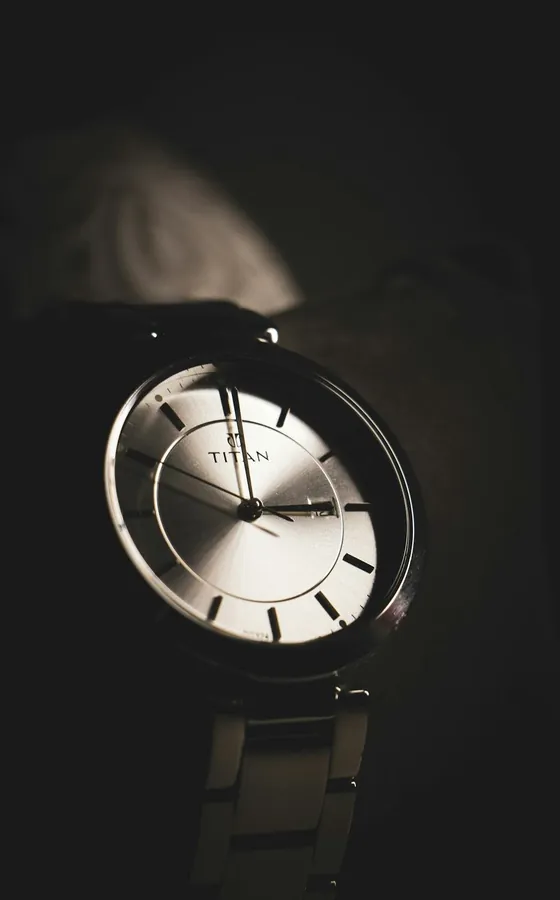
Made slowly,
on purpose
A YELM passes through eleven pairs of hands before it is boxed. None of those steps exist to be photogenic; they exist because a watch that will run for forty years is built differently from one that will run for four.
The bench comes first
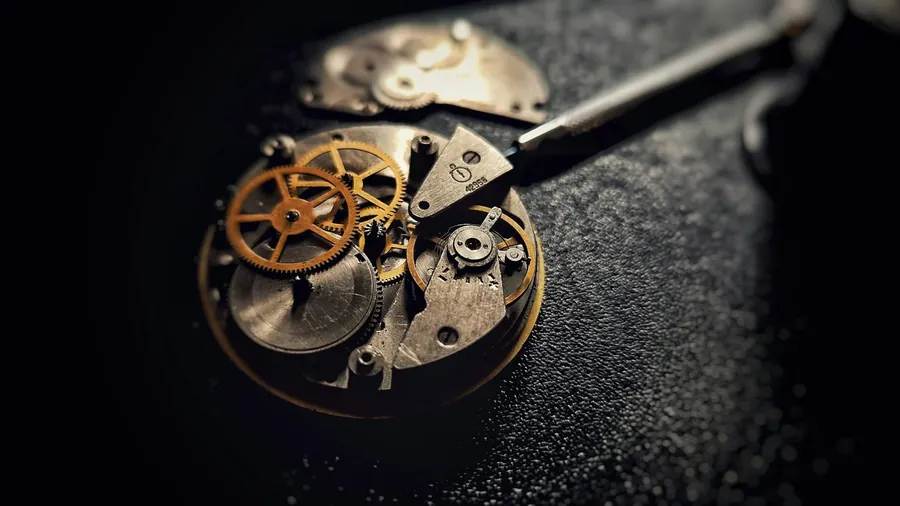
Assembly is not a station on a line here. One watchmaker takes a movement from bare mainplate to regulated calibre, and their mark goes on the service card. When a watch comes back to us in twelve years, it goes back to the same bench if that person is still with us.
It is slower. It also means nobody can hand a marginal escapement to the next station and hope it passes further down.
A calibre we own
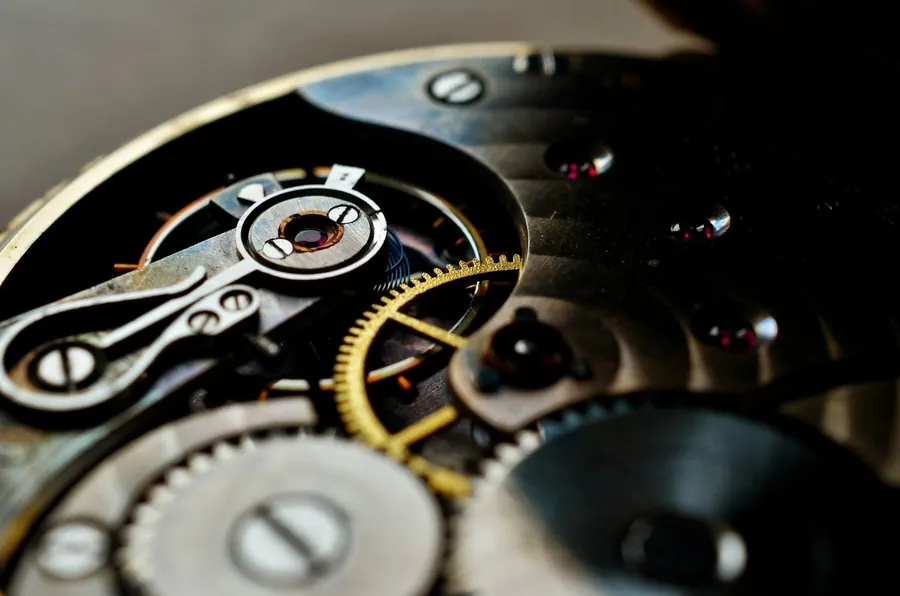
The YM-72 is ours, which is the expensive answer to a question most brands answer by buying a movement and engraving their name on the rotor. Owning it means we set the tolerances, we choose where the jewels go, and we can still make a bridge for a watch we sold a decade ago.
Seventy-two hours of reserve comes from a longer mainspring in a barrel we had to make wider, which is why the case is 10.6 mm and not 9. We would rather you feel the reserve than the thinness.
Materials that age instead of wearing out
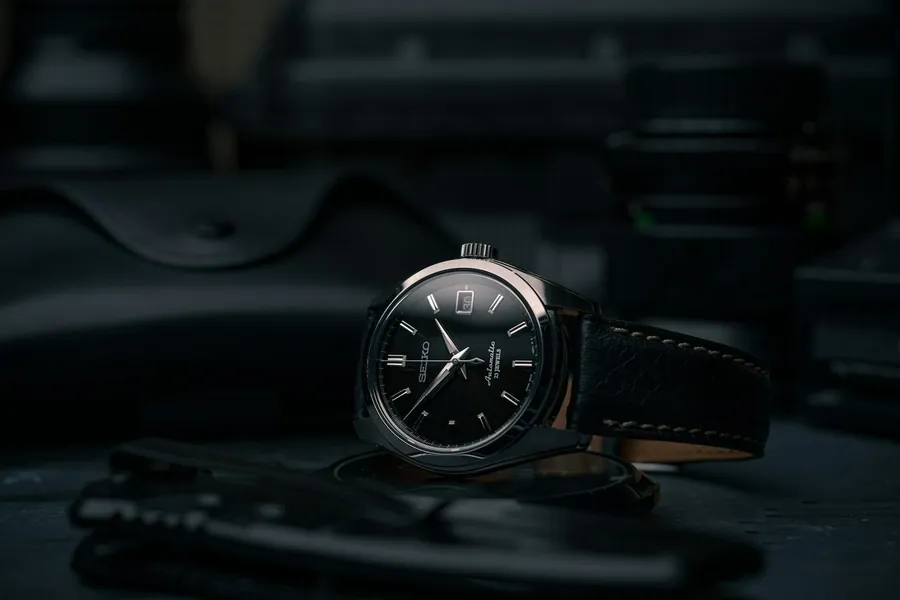
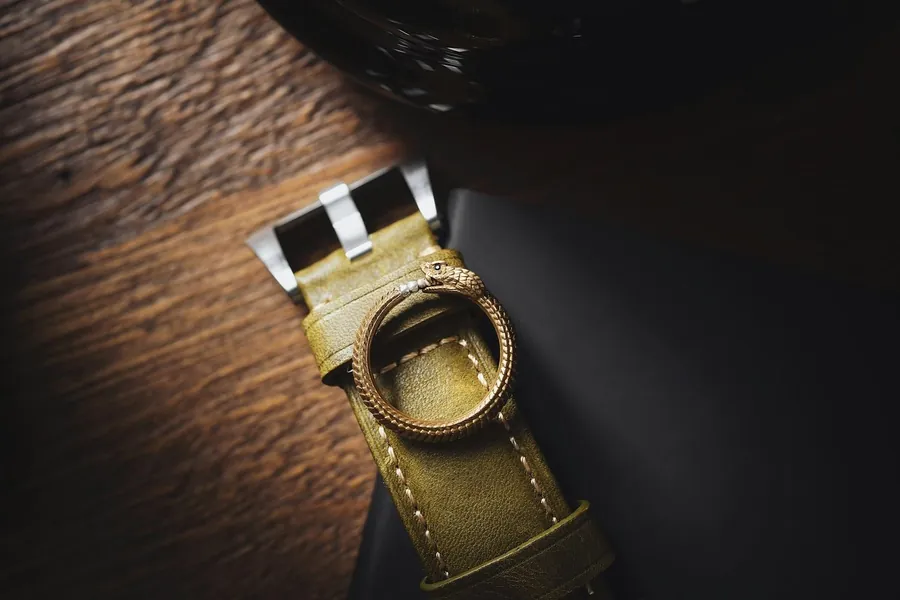
Straps are cut from vegetable-tanned hides that darken where your wrist creases them. Cases are 316L, brushed by hand along the flanks so the grain runs the length of the lug rather than across it. The crystal is sapphire on both sides, with the anti-reflective coating on the underside where it cannot be scratched off.
We do not use gold plating. The two-tone references get a real PVD layer, which costs more and survives being knocked against a door frame.
Regulated, then left alone for a fortnight
Every finished watch runs on a timing machine in six positions, then sits on a winder for two weeks while we measure the drift. If it falls outside −2/+5 seconds a day it goes back to the bench rather than into a box.
That fortnight is the reason our lead times read the way they do. It is also the reason the warranty is five years and not one.